


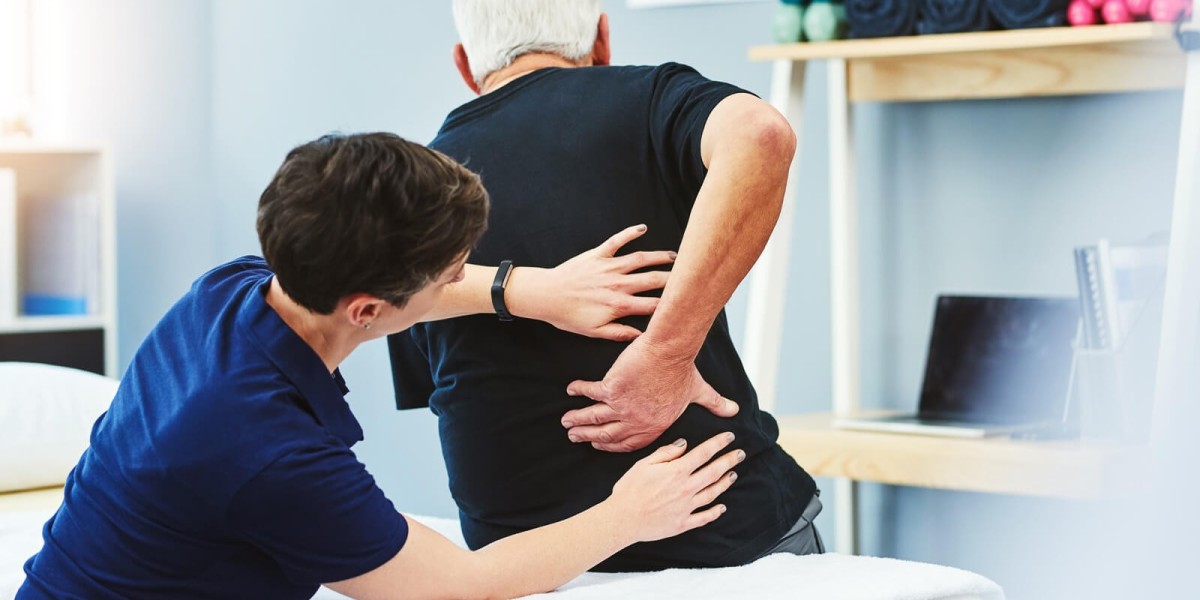
Many people believe back pain leads straight to surgery. In reality, most cases improve without an operation. Non-surgical methods are often the first and best step. They carry lower risk and allow the body to heal naturally. Learning about these options helps people choose care with confidence.
Why Non-Surgical Care Comes First
Medical guidelines favor conservative care for most back problems. Surgery is usually reserved for severe cases. These include serious nerve damage, spinal instability, or intense pain that fails other care.
Non-surgical methods avoid anesthesia and long recovery. They also keep future options open. Many patients find that steady, simple approaches bring real relief. The body is often better at healing than people expect.
Understanding the Source of Discomfort
Back discomfort has many origins. Muscles, discs, joints, and nerves can all contribute. Knowing the likely source helps match the right method.
Muscle strain feels like a deep ache with tightness. Disc problems may cause sharp pain and leg symptoms. Joint stiffness often appears as morning soreness. A clinician can sort through these clues with a careful exam.
Staying Active Within Comfort
Gentle movement is one of the best remedies. Bed rest for long periods can slow recovery. Muscles weaken, and stiffness grows. Light activity keeps blood flowing and tissues healthy.
Short walks are an easy start. Increase distance slowly over days. Avoid sudden twisting or heavy lifting at first. Listen to your body and pace yourself.
Exercise and Physical Therapy
Physical therapy is a cornerstone of non-surgical care. Therapists assess strength, flexibility, and movement habits. They then design a plan that fits the person.
Core Strengthening
The core includes the abdominal, back, and hip muscles. Together they form a natural brace for the spine. Exercises like bridges, bird dogs, and planks build this support. Strong cores reduce stress on discs and joints.
Flexibility and Mobility
Tight hamstrings and hips can pull on the lower back. Stretching these areas eases strain. Gentle yoga or mobility drills help as well. Move slowly and breathe steadily.
Aerobic Conditioning
Low-impact cardio improves circulation and mood. Swimming, cycling, and brisk walking are good choices. Regular aerobic activity also supports healthy weight. It releases natural pain-relieving chemicals in the body.
Manual Therapies
Hands-on care can ease pain and restore motion. Chiropractors use spinal adjustments to improve joint movement. Massage therapists release tight muscle tissue. Physical therapists may use joint mobilization.
These methods often bring short-term relief. They work best when paired with exercise. Choose licensed providers with good training. Ask questions about their approach and goals.
Heat, Cold, and Simple Home Remedies
Heat relaxes muscles and increases blood flow. A warm pack for fifteen to twenty minutes can soothe stiffness. Cold helps calm sharp pain after a new strain. Wrap packs in cloth to protect the skin.
Gentle self-massage with a tennis ball can ease knots. Warm baths relax the whole body. Over-the-counter pain relievers may help briefly. Follow label directions and check with a doctor if unsure.
Spinal Decompression and Traction
Some patients with disc-related pain explore traction-based care. The idea is to gently stretch the spine and reduce pressure on discs. This may ease nerve irritation for certain people.
Clinics that offer Spinal decompression treatment use specialized tables with controlled settings. A provider reviews the diagnosis, imaging, and health history first. Not every back problem is suitable, so careful screening matters.
Sessions are usually calm and comfortable. Patients lie on a table with a harness. Progress is tracked over several visits. It is often combined with exercise for lasting benefit.
Posture and Ergonomic Changes
Daily positions affect the spine more than most people think. Slouching in a chair loads the discs. Standing with locked knees strains the lower back.
Set up a workstation that supports neutral posture. Keep the monitor at eye level. Place feet flat and hips slightly above knees. Add a small cushion behind the lower back if needed.
Take a movement break every thirty minutes. Stand, stretch, or walk briefly. A standing desk can add variety. Alternate positions through the day.
Weight, Nutrition, and Lifestyle
Body weight affects spinal load. Even modest loss can reduce pain. Choose whole foods, lean protein, and plenty of vegetables. Limit sugary and highly processed foods.
Hydration supports disc health. Discs hold water and rely on fluid balance. Aim for steady water intake through the day. Limit alcohol, which can disturb sleep.
Quit smoking if possible. Smoking reduces blood flow to spinal tissues. It also slows healing. Support programs can make quitting easier.
Sleep and Stress Management
Poor sleep can worsen pain. Aim for seven to nine hours each night. Choose a mattress that supports the natural curves of the spine. Side sleepers may place a pillow between the knees.
Stress tightens muscles and amplifies pain signals. Practice slow breathing, meditation, or light stretching before bed. Time outdoors can also help. A calm nervous system supports healing.
Medications and Injections as Support
Medication can play a helpful role. Short courses of anti-inflammatory drugs may ease flare-ups. Muscle relaxants are sometimes used briefly. Always follow medical advice.
Steroid injections near irritated nerves can reduce inflammation. They do not fix the cause, but they can open a window for rehabilitation. Doctors use them selectively. They are one tool among many.
Mind-Body Techniques
Pain is shaped by both body and brain. Mindfulness, cognitive behavioral therapy, and guided relaxation can reduce distress. Patients learn to change how they respond to pain.
These tools do not suggest pain is imaginary. They recognize that stress, fear, and attention affect symptoms. Many people find them empowering. They add useful skills to the recovery toolkit.
Knowing When to Seek Urgent Help
Most back pain is not dangerous. Still, a few warning signs need quick care. Loss of bladder or bowel control is an emergency. Numbness in the groin area also needs immediate attention.
Progressive leg weakness, fever, or unexplained weight loss are red flags. Severe pain after major trauma must be examined at once. When in doubt, call a doctor. Early action protects long-term health.
Building a Long-Term Plan
Relief is only the first goal. Prevention keeps pain from returning. Continue exercise even after symptoms fade. Maintain good posture and healthy habits.
Schedule periodic check-ins with your provider. Adjust the plan as life changes. Keep a simple routine you can follow daily. Small actions repeated over time bring lasting results.
Conclusion
Non-surgical methods can relieve back discomfort for most people. Movement, therapy, manual care, and healthy habits form a strong foundation. Options such as traction-based care add choice for selected cases.
The key is a personal plan guided by qualified professionals. Be patient and consistent. Most people find that their backs recover well without an operation.