


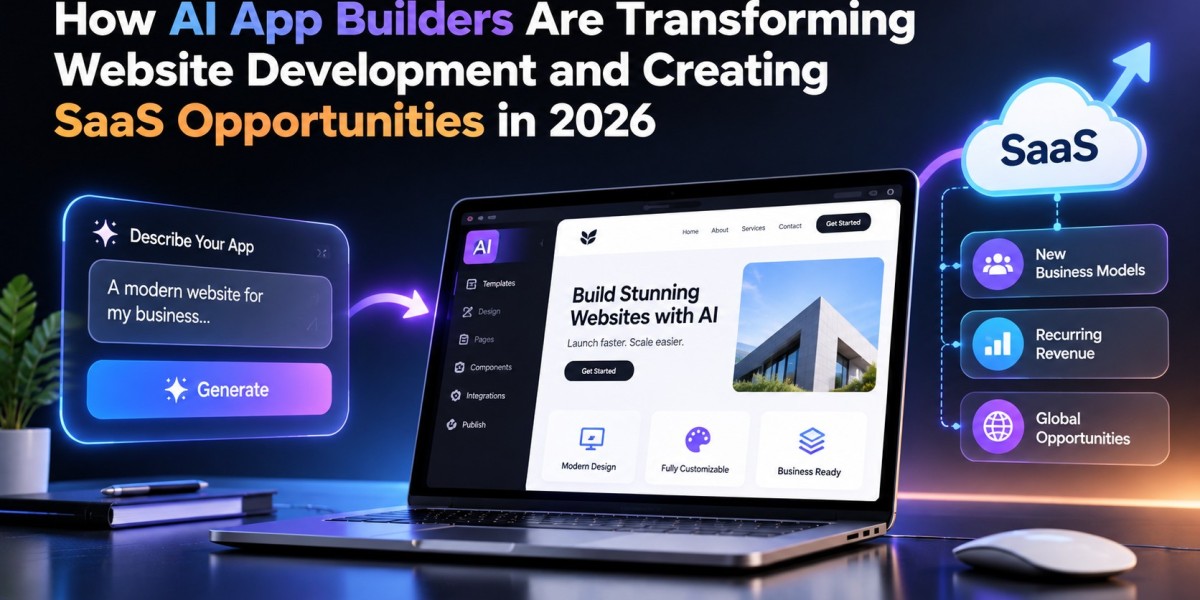
Website development has changed significantly with the introduction of artificial intelligence, visual editing tools, and automated software creation platforms. Businesses no longer need to depend entirely on traditional coding processes to establish their digital presence.
Today, entrepreneurs can launch website-building services, AI-powered application development platforms, and specialized software solutions for different industries.
AI app builders are especially interesting because they help users transform natural language instructions into functional applications. Meanwhile, traditional website builders continue to provide accessible solutions for businesses looking to create websites, portfolios, and online stores.
For startups planning to enter this market, understanding these technologies, their business models, and potential revenue opportunities is essential.
What Is a White Label AI App Builder?
A white label AI app builder is a software platform that businesses can customize and offer under their own brand.
Instead of developing every component from the beginning, entrepreneurs can use an existing platform foundation and configure it according to their business requirements.
These platforms may use artificial intelligence to interpret prompts, generate application interfaces, create code, and support development workflows.
For example, a user could request an appointment-booking application with customer registration, scheduling, and an administrative dashboard.
An AI-powered builder may generate an initial application structure based on those instructions.
Businesses interested in launching this type of service can explore a White Label AI App Builder as a potential foundation for their SaaS product.
Common capabilities may include:
Natural language application generation
AI-assisted interface development
Code generation and customization
Application previews
Database and API integrations
Project management dashboards
Deployment and publishing workflows
Although these tools simplify development, generated applications still require testing, security reviews, and performance optimization.
Understanding the Website Builder Business Model
Website builders allow individuals and businesses to create websites through visual interfaces, templates, and preconfigured components.
They are popular among freelancers, agencies, entrepreneurs, and small organizations that want to establish an online presence without extensive programming knowledge.
Entrepreneurs exploring this category can review Website Builder Solutions to understand possible platform models and development approaches.
A typical website builder includes a drag-and-drop editor, responsive templates, content management capabilities, domain configuration, and publishing tools.
The business model often depends on recurring subscriptions.
Customers may begin with basic website-building features and upgrade to premium plans for additional storage, customization, ecommerce functionality, or business integrations.
This approach creates opportunities for recurring revenue while allowing providers to serve different customer segments.
Popular Platform Models for Website and AI App Development
Entrepreneurs can study established product categories to determine which approach best matches their target customers.
1. Wix-Style Website Builders
Visual website builders focus on simplifying website creation through reusable components and intuitive editing tools.
A Wix Clone represents a platform model built around drag-and-drop website editing, templates, and website management.
Businesses can adapt this model for local service providers, small retailers, consultants, and independent professionals.
Important capabilities may include responsive layouts, SEO settings, ecommerce integrations, and customer account management.
A niche-focused website builder could also offer industry-specific templates for restaurants, real estate agencies, or healthcare providers.
2. AI-Powered Application Builders
AI application builders focus on generating software through prompts and automated development assistance.
A Bolt.new Clone provides a reference model for entrepreneurs exploring AI-assisted application creation platforms.
These products can help users generate interfaces, modify application components, and accelerate development workflows.
Potential customers include startup founders, developers, product teams, and businesses building internal applications.
Revenue opportunities may include subscriptions, AI generation credits, team collaboration plans, and advanced project capabilities.
3. Design-Focused Website Builders
Some website builders prioritize attractive templates, visual consistency, and streamlined content publishing.
A Squarespace Clone represents a design-oriented website builder model suitable for creative professionals and business owners.
Potential customers include photographers, designers, personal brands, agencies, and boutique businesses.
A platform following this approach could focus on polished templates, portfolio management, blogging tools, ecommerce features, and branding customization.
The strongest differentiation may come from delivering a simpler experience for a carefully defined audience.
Key Differences Between AI App Builders and Website Builders
Although both technologies reduce development complexity, their primary use cases differ.
Development Process
Traditional website builders rely mainly on visual editing, templates, and predefined components.
AI app builders use natural language prompts and automated generation to create application structures.
Functionality
Website builders are generally optimized for websites, landing pages, online stores, and content publishing.
AI app builders may support more complex software such as dashboards, booking systems, customer portals, and internal business tools.
Customization
Visual website builders offer controlled customization through supported themes, layouts, and extensions.
AI app builders may generate more specialized functionality, although advanced requirements can still need developer involvement.
Target Customers
Website builders typically attract nontechnical business owners, freelancers, and creators.
AI app builders may appeal to entrepreneurs, developers, product managers, and organizations seeking custom software.
Understanding these differences helps founders select a suitable product category rather than building unnecessary features.
Essential Features of a Successful Builder Platform
Startups should prioritize features that improve customer experience, simplify administration, and support sustainable growth.
Intuitive Dashboard
Customers need a central dashboard to create projects, manage subscriptions, access templates, and monitor activity.
AI-Assisted Development
Prompt-based generation, code suggestions, and automated interface creation can reduce repetitive development tasks.
Responsive Design Tools
Websites and applications should adapt to different screen sizes, including desktops, tablets, and smartphones.
Integrations and Publishing
Domain management, third-party APIs, database connections, and deployment tools help users take projects from initial development to production.
Security and User Management
Authentication, permissions, secure data handling, and activity monitoring are important for protecting customer information.
Revenue Models for AI App Builder Startups
A subscription-based business can generate revenue through several pricing strategies.
Monthly Subscriptions: Offer different plans based on project limits, available functionality, and customer requirements.
AI Generation Credits: Charge according to prompt usage, code generation activity, or computational resources consumed.
Premium Templates: Sell specialized website designs and reusable application components.
Agency Packages: Provide collaboration features, multiple client projects, and centralized account management.
Enterprise Solutions: Offer custom integrations, advanced permissions, and dedicated technical support.
Founders should evaluate AI processing costs, infrastructure expenses, customer acquisition, and support requirements before selecting their pricing model.
How to Launch Your Own AI App Builder Business
Building a successful SaaS platform requires a clear strategy.
First, identify a specific target audience. For example, the platform could focus on entrepreneurs creating minimum viable products, agencies managing customer websites, or businesses developing internal tools.
Next, research competitors and identify gaps in functionality, pricing, or customer experience.
Develop a focused minimum viable product with core features such as project creation, editing, previews, billing, and deployment support.
Before launch, test the platform for reliability, usability, data security, and performance.
Finally, establish customer onboarding, documentation, support processes, and a marketing strategy focused on the problems your software solves.
Conclusion
AI app builders and traditional website builders are creating opportunities for businesses entering the software development market.
While visual website builders make publishing accessible to nontechnical users, AI-powered app builders extend automation into application design and development.
Entrepreneurs can build sustainable SaaS businesses by selecting a clear target audience, offering dependable tools, and developing pricing models that reflect customer value.
Miracuves offers customizable platform solutions for businesses exploring AI-powered application builders and website development services.
Ready to Launch Your Own AI App Builder?
Explore available development solutions and schedule a free consultation to discuss your platform requirements, essential features, and business model.