


Business meetings often involve more than sitting around a conference table. Executives may need to travel between offices, airports, hotels, conference centers, client locations, and corporate events—all while staying on schedule.
That makes Business Meeting Transportation an important part of the professional experience. The right transportation arrangement can help executives arrive prepared, maintain a predictable schedule, and avoid unnecessary distractions caused by driving, parking, or unfamiliar routes.
Why Transportation Matters for Business Meetings
A delayed arrival can affect an entire meeting. Finding parking, dealing with traffic, or coordinating several vehicles can create unnecessary complications before an important appointment even begins.
Professional business transportation provides a more organized way to handle these movements.
Instead of making transportation an afterthought, companies can treat it as part of their meeting logistics. This becomes particularly useful when multiple executives, clients, or business partners are traveling on the same schedule.
What Is Business Meeting Transportation?
Business meeting transportation refers to professional transportation arranged specifically for corporate meetings and related business activities.
It may include transportation between:
- Airports and offices
- Hotels and meeting venues
- Corporate headquarters and client locations
- Conference centers and restaurants
- Multiple business appointments
- Corporate events and networking functions
The service can be arranged for an individual executive, a visiting client, or an entire group.
The Advantage of Scheduled Transportation
Business schedules are usually built around specific time commitments. Transportation should fit into that structure rather than create uncertainty.
Pre-arranged transportation allows travelers to plan their movements around confirmed pickup times and destinations.
This can be particularly valuable when a meeting involves several stops throughout the day.
Keep Executives Focused on the Meeting
Driving requires attention. So does navigating unfamiliar roads, monitoring traffic, and searching for parking.
When transportation is handled by a professional driver, passengers can use travel time differently.
They might:
- Review presentation notes
- Respond to emails
- Make business calls
- Prepare for negotiations
- Review schedules
- Simply take a short break between meetings
A few uninterrupted minutes can be valuable during a busy corporate itinerary.
Make a Strong Impression on Clients
Transportation can influence a client's first impression of an organization.
When visiting executives receive clear pickup instructions and professional transportation, the entire experience can feel more organized.
This is particularly important when welcoming:
- Potential business partners
- Investors
- Corporate clients
- Conference speakers
- Visiting executives
- Important guests
The objective is not simply to move someone from one location to another. It is to make the journey fit naturally into the professional experience.
See more: car service sacramento
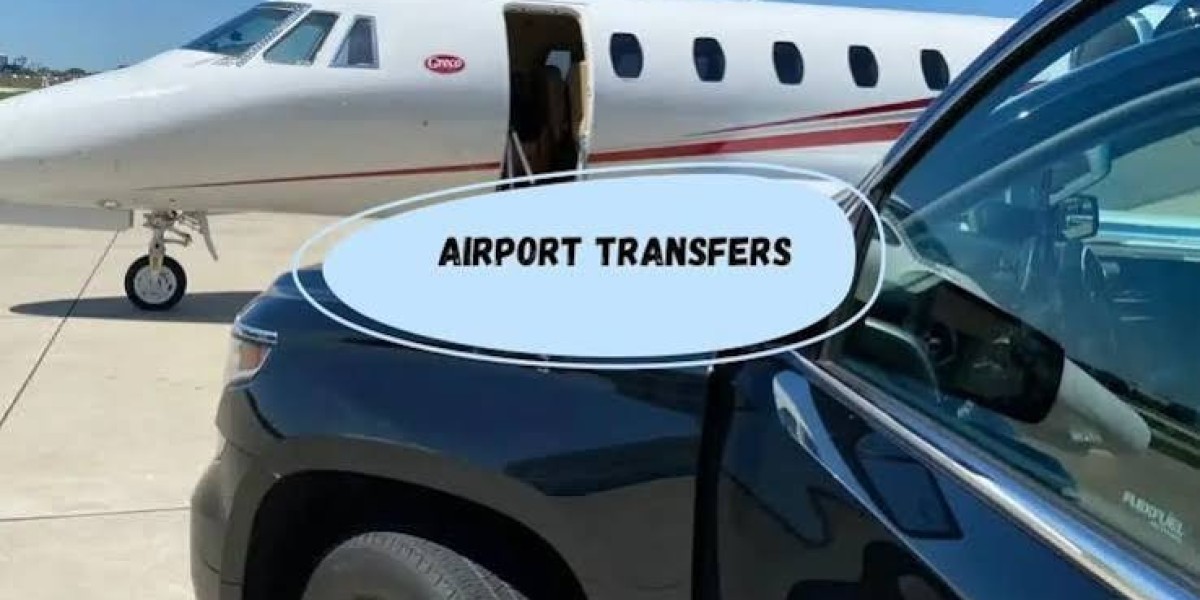
Airport-to-Meeting Transportation
Corporate travelers frequently have to move directly from an airport to a meeting.
This creates a logistical challenge because flights can arrive at busy terminals, luggage collection can take time, and local traffic can be unpredictable.
Pre-arranged airport transportation can simplify the transition by establishing the transportation plan before the traveler arrives.
For visiting executives, this can remove one more task from an already demanding travel schedule.
Transportation Between Multiple Meetings
Some business days involve several appointments across different locations.
For example, an executive might need to travel from a hotel to a client office, then to a conference center, followed by a dinner meeting.
Using one coordinated transportation plan can make these movements easier to manage.
The itinerary can be organized around the day's destinations rather than relying on separate transportation decisions for every stop.
Business Meeting Transportation for Groups
Corporate meetings do not always involve one passenger.
A company may need transportation for a small leadership team, visiting clients, or a group attending a conference.
The appropriate vehicle depends on:
- Number of passengers
- Amount of luggage
- Travel distance
- Number of stops
- Desired level of comfort
- Timing of the itinerary
Planning these details in advance helps avoid last-minute transportation problems.
Why Professional Drivers Can Be Valuable
A professional driver does more than operate the vehicle.
For business travelers, the value can come from familiarity with local roads, professional conduct, punctual scheduling, and the ability to focus on transportation while passengers concentrate on their work.
This can be particularly useful for visitors who are unfamiliar with the area.
Business Travel Should Be Comfortable
Comfort becomes more important when someone is traveling for several hours or moving between multiple appointments.
A suitable business vehicle should provide enough space for passengers to sit comfortably and handle their belongings without feeling crowded.
For executives spending significant time on the road, a comfortable environment can make the overall day less exhausting.
Reduce Parking and Navigation Problems
Parking can become surprisingly time-consuming around office districts, hotels, convention centers, and busy commercial areas.
Finding a suitable parking space can also introduce uncertainty into an already tight schedule.
Professional transportation shifts that responsibility away from the passenger, allowing the traveler to focus on the purpose of the visit.
Planning Transportation for a Business Meeting
A successful transportation arrangement starts with accurate information.
Before booking, determine:
Meeting Location
Confirm the exact building, entrance, and address.
Pickup Time
Allow enough time for traffic, building access, and other potential delays.
Number of Travelers
This determines the appropriate vehicle size.
Additional Stops
Tell the transportation provider about every planned destination rather than adding stops unexpectedly.
Flight Information
For airport pickups, provide accurate flight details when requested so the transportation schedule can be coordinated appropriately.
How to Choose the Right Transportation Provider
Do not evaluate a business transportation provider only by price.
Consider its:
- Professional reputation
- Vehicle options
- Reservation process
- Communication
- Scheduling flexibility
- Service area
- Driver standards
- Experience with corporate travel
A reliable provider should make the booking process straightforward and provide clear information about the trip.
Common Transportation Mistakes Businesses Should Avoid
Booking Too Late
Popular business travel periods can create limited availability.
Providing Incomplete Addresses
Large office complexes and convention centers may have multiple entrances.
Ignoring Travel Time
The shortest distance is not always the fastest route during business hours.
Choosing a Vehicle Without Considering Luggage
Airport travelers may require more space than passengers traveling directly between offices.
Failing to Confirm the Itinerary
A quick confirmation can prevent confusion about pickup locations, passenger numbers, and destinations.
Creating a Better Corporate Travel Experience
Business transportation works best when it is integrated into the overall travel plan.
A company can coordinate transportation with hotel reservations, meeting times, airport arrivals, conferences, dinners, and return journeys.
This creates a smoother sequence from one appointment to the next and reduces the number of transportation decisions travelers need to make during the day.
Final Thoughts
Business Meeting Transportation is about more than getting to a meeting. It is about creating a dependable travel structure around an already demanding professional schedule.
Whether the journey involves an airport pickup, a client visit, multiple meetings, or transportation for an executive group, advance planning can make the experience more comfortable and organized.
When businesses choose transportation based on reliability, scheduling, vehicle suitability, communication, and passenger needs, the journey becomes a supporting part of the meeting—not another problem for the traveler to solve.
See more blogs: Visit Here