


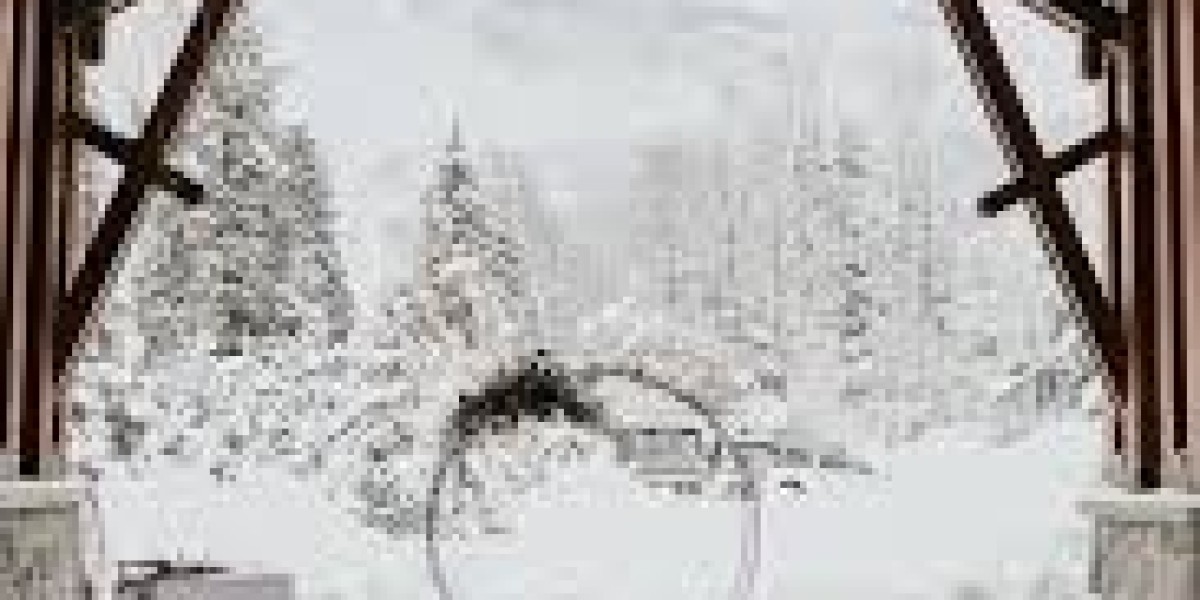
Choosing the right wedding date can influence almost every part of the celebration, from venue availability and guest experience to the overall atmosphere and budget. While many couples immediately look toward the traditional wedding season, off season wedding venues can offer a different kind of opportunity.
An off-season celebration can feel more relaxed, distinctive, and personal. With fewer weddings competing for the same dates, couples may have more freedom to create an event that reflects their personality instead of following the most popular wedding trends.
What Are Off Season Wedding Venues?
Off-season wedding venues are event spaces that host weddings during periods when demand is generally lower than during the area's busiest wedding months.
The exact off-season varies according to location. In some regions, winter represents the quieter period. In others, extremely hot summer months or particular weekdays may have lower demand.
This variation gives couples an important advantage: they can look beyond the traditional wedding calendar and discover dates that may provide greater flexibility.
Why Consider an Off-Season Wedding?
An off-season wedding is not simply a way to reduce expenses. It can change the entire planning experience.
Couples may find:
- More available wedding dates
- Greater venue flexibility
- A quieter booking environment
- More opportunities for personalized details
- Seasonal décor possibilities
- A less predictable but potentially more memorable setting
Instead of choosing a date because everyone else is choosing it, couples can select a season that genuinely fits their vision.
More Freedom When Choosing Your Date
Popular wedding dates can disappear quickly. Venues, photographers, caterers, entertainment providers, and other vendors may already be booked months or even years ahead.
During quieter periods, the booking calendar can be less crowded. This can make it easier to coordinate several vendors around the same date.
For couples with a specific vision, that additional flexibility can be extremely valuable.
A Different Kind of Wedding Atmosphere
Every season creates its own mood.
A winter celebration can feel intimate and elegant. A spring wedding may emphasize fresh flowers and natural scenery. A late-summer or early-autumn event can offer a transitional atmosphere without relying on the most heavily booked dates.
The key is to choose a season that supports the experience you want your guests to remember.
How Off-Season Dates Can Affect Your Budget
One of the biggest reasons couples investigate off-season weddings is the possibility of lower venue or vendor pricing.
However, savings are not automatic. Some locations have year-round demand, while others define their peak and off-peak periods differently.
Instead of assuming an off-season date will be cheaper, ask the venue about:
- Off-peak rental rates
- Package differences
- Minimum guest requirements
- Food and beverage pricing
- Weekday or Sunday options
- Additional venue fees
- Seasonal restrictions
A detailed quote gives you a much clearer picture than simply comparing advertised prices.
See more: bay area wedding sites
Choosing an Off Season Wedding Venue Based on Your Vision
Start with the wedding experience rather than the venue itself.
Ask yourself:
Do you want an indoor celebration, an outdoor gathering, a romantic destination, a modern reception, or a smaller intimate event?
Once you know the atmosphere, you can search for venues that naturally support it.
For example, an indoor venue with impressive architecture may be ideal for a winter wedding, while a property with flexible indoor-outdoor spaces may work better during transitional seasons.
Indoor Venues for Cooler Months
If your preferred off-season falls during colder weather, an indoor venue can provide comfort without sacrificing style.
Look for features such as:
- Large reception rooms
- Heating systems
- Comfortable guest areas
- Attractive indoor photography locations
- Private preparation rooms
- Weather-protected entrances
An indoor setting can also create a sophisticated backdrop for dramatic lighting, candles, floral arrangements, and elegant décor.
Outdoor Venues During Quieter Periods
Outdoor weddings can also work during certain off-season periods, depending on the local climate.
Before booking an outdoor location, investigate the area's typical weather rather than relying solely on averages.
Ask whether the venue has contingency options such as:
- Covered reception areas
- Indoor backup rooms
- Tents or sheltered spaces
- Weather-related policies
- Heating or cooling options
- Flexible ceremony locations
A beautiful outdoor setting becomes much more practical when there is a realistic backup plan.
Think Beyond the Traditional Wedding Months
A major advantage of off-season planning is the opportunity to break away from predictable wedding aesthetics.
Instead of designing a celebration around what is traditionally associated with weddings, use the season itself as inspiration.
You could build your décor around:
- Seasonal textures
- Local flowers
- Natural colors
- Regional food
- Atmospheric lighting
- Weather-appropriate guest experiences
This can give the wedding a stronger sense of place and personality.
Guest Comfort Should Come First
Your guests' experience should influence the venue decision.
If temperatures are expected to be uncomfortable, check whether the property provides adequate climate control. If rain or snow is possible, confirm how guests will move between different parts of the venue.
Also consider transportation, parking, accessibility, and nearby accommodation.
A venue can look spectacular in photographs while creating practical problems on the actual wedding day. Visiting the property in person can help reveal details that online galleries cannot.
Ask About Seasonal Venue Policies
Every venue handles off-season events differently.
Before signing a contract, ask about:
- Seasonal operating hours
- Heating and cooling
- Weather cancellations
- Setup and breakdown times
- Vendor restrictions
- Seasonal décor limitations
- Minimum booking requirements
- Indoor and outdoor capacity
- Additional staffing
Understanding these policies early can prevent unpleasant surprises later.
Off-Season Weddings Can Feel More Exclusive
When fewer weddings are taking place in a particular period, your celebration may feel less like part of a crowded event calendar.
There may be more room to create a carefully considered experience, from personalized menus to unusual décor concepts.
The result can be a wedding that feels intentionally designed rather than simply following the most popular formula.
How to Compare Off Season Wedding Venues
Do not compare venues based only on the rental price.
Create a simple comparison that includes:
Location: Is it convenient for guests?
Capacity: Does the venue comfortably accommodate your expected attendance?
Weather protection: What happens if conditions change?
Included services: What is already part of the package?
Vendor flexibility: Can you choose your preferred professionals?
Guest facilities: Are parking, restrooms, accessibility, and accommodation nearby?
Overall atmosphere: Does the property match your wedding concept?
This approach makes it easier to identify genuine value.
Questions to Ask Before Booking
Before committing to an off-season venue, ask:
- What months does the venue consider off-season?
- Are different rates available during these months?
- Are there minimum guest numbers?
- What happens if weather affects the event?
- Is there an indoor backup space?
- Are heating or cooling costs included?
- Can outside vendors be used?
- What is included in the venue package?
- Are there seasonal restrictions?
- How much setup and cleanup time is provided?
Getting these answers in writing can make the planning process considerably easier.
Make the Season Part of the Experience
The best off-season wedding does not try to hide the time of year. It embraces it.
Use seasonal food, textures, lighting, flowers, entertainment, and décor to create a celebration that could not be replicated during another part of the year.
That sense of timing can make the wedding feel more authentic and memorable.
Final Thoughts
Off season wedding venues give couples an opportunity to approach wedding planning differently. Instead of competing for the most popular dates, you can explore quieter periods, distinctive seasonal settings, and potentially greater scheduling flexibility.
The ideal venue is not necessarily the one with the lowest price or the most impressive photographs. It is the space that supports your guest experience, accommodates your plans, handles seasonal conditions responsibly, and gives you room to create a celebration that feels genuinely yours.
By considering the season as part of the wedding design—not merely a date on the calendar—you can turn an unconventional wedding period into one of the most memorable aspects of the entire celebration.
See more blogs: Visit Here