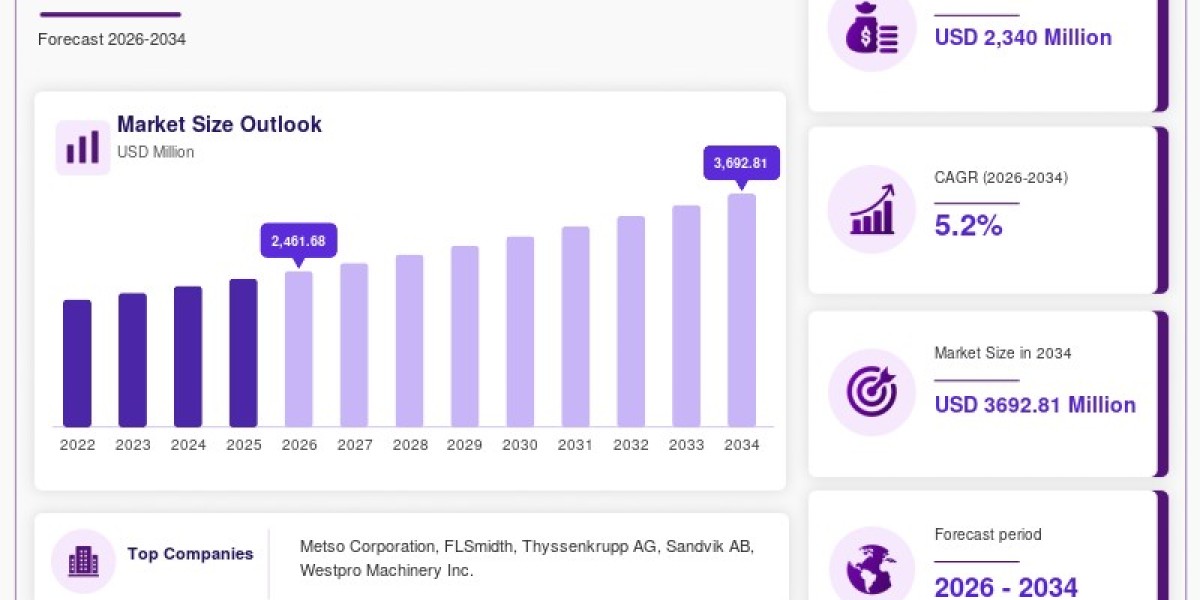



The global oil and gas extraction, offshore drilling, and pipeline transmission sectors operate within some of the most demanding and high-pressure environments in industrial history. As exploration activities push deeper into ultra-deepwater basins and complex unconventional reservoirs, maintaining absolute hydraulic control, emergency pressure reserves, and shock mitigation becomes a critical operational priority. Heavy-duty hydraulic machinery, subsea blowout preventers (BOPs), and pipeline pulsation dampeners require robust auxiliary systems capable of storing pressurized fluid and releasing it instantaneously on demand. This continuous industrial drive toward enhanced drilling safety, fluid energy storage, and mechanical shock absorption has accelerated steady commercial expansion across the Oil And Gas Accumulator Market, positioning advanced hydraulic accumulator technology as an indispensable backbone of modern petroleum engineering.
At the core of this sector's technological momentum is the sophisticated engineering of bladder, piston, and diaphragm accumulators designed to store hydraulic energy under extreme operating pressures. Unlike standard fluid reservoirs, these specialized pressure vessels utilize an inert gas—typically dry nitrogen—separated from the hydraulic fluid by an elastomeric bladder or a precision-machined floating piston. When system demand spikes or primary pump power is momentarily interrupted, the compressed nitrogen expands instantly, forcing stored hydraulic fluid into the circuit to maintain constant pressure. This rapid energy discharge is vital for operating subsea safety valves, absorbing destructive hydraulic shock spikes caused by fast-closing valves, and ensuring that blowout preventers can seal high-pressure wellbores during emergency shutdown scenarios.
Simultaneously, the broader digital transformation across upstream and midstream oilfield operations and the implementation of stringent safety regulations serve as major catalysts driving equipment demand. Modern hydraulic accumulators are increasingly integrated with smart IoT pressure sensors, continuous nitrogen-charge monitoring gauges, and remote diagnostic telemetry systems. These digital enhancements allow rig crews to track bladder integrity, internal gas pre-charge levels, and operating temperatures in real time without manual intervention. By enabling predictive maintenance and preventing unexpected seal failures, these intelligent monitoring solutions minimize costly offshore downtime and ensure strict compliance with international offshore safety standards.
Despite robust structural tailwinds, the industry must navigate specific material, environmental, and engineering challenges. Operating in corrosive sour-gas environments, deepwater hydrostatic pressures, and extreme sub-zero temperatures requires specialized metallurgy, such as Inconel cladding, Super Duplex stainless steel, and corrosion-resistant polymer bladders. Additionally, high upfront capital expenditures for certified high-pressure pressure vessels demand rigorous lifecycle planning and routine recertification by asset managers. To mitigate these hurdles, leading equipment manufacturers are focusing on modular accumulator rack designs, standardized ASME-certified pressure vessels, and advanced elastomeric compounds that extend service intervals in harsh downhole conditions.
Geographically, market demand and equipment deployments are distributed dynamically across major global regions experiencing active hydrocarbon exploration and production. North America maintains a dominant and rapidly expanding market share, propelled by extensive shale oil and gas hydraulic fracturing fleets, onshore pipeline networks, and deepwater Gulf of Mexico drilling operations. Meanwhile, Europe and the Middle East exhibit mature, steady growth supported by massive offshore field developments in the North Sea, extensive Middle Eastern onshore production facilities, and stringent regional regulatory mandates governing well control equipment.
Looking ahead, the trajectory of the market points toward higher operating pressure thresholds, wider adoption of subsea energy-storage modules for all-electric subsea trees, and deeper integration with artificial intelligence-driven rig automation platforms. As global energy sectors continue to prioritize drilling safety, operational efficiency, and environmental risk mitigation, the demand for high-reliability hydraulic energy storage will remain paramount. Ultimately, ongoing innovations in material science, pressure vessel manufacturing, and digital sensor technology will ensure that oil and gas accumulators continue to drive productivity, safety, and reliability across the worldwide petroleum landscape.
Discover emerging opportunities with in-depth research reports:
Manual Hydraulic Cable Cutters Market
Electric Booster Station Market
Pluggable Cable Front T Terminal Body Sales Market
Photovoltaic Power Generation Monitoring And Control System Market