

Introduction
There is a moment every embroiderer knows. You stitch out a design you downloaded online, and it looks fine. Not great, just fine. The edges are a little rough, the density feels off, and the design does not quite sit right on the garment. That is the difference between a stock pattern and a bespoke one. Bespoke Embroidery Patterns for Machine Stitching are built from the ground up for your specific project. They account for your fabric, your machine, your thread colors, and your placement. They are not one size fits all.
The word bespoke gets thrown around a lot, but in embroidery it means something real. It means the digitizer thought about how the design would behave on your fabric before writing a single stitch. It means the pattern was tested, refined, and adjusted until it stitched cleanly. That level of care changes everything about the final result. This guide explains why bespoke patterns make such a big difference and how you can use them to improve your machine stitching projects.
The Problem With Stock Designs
Stock designs have their place. They are cheap, fast, and convenient. If you need a quick design for a personal project, they work fine. But they come with limitations that show up the moment you stitch them.
Stock designs are made for the average fabric, the average size, and the average machine. They cannot account for your specific setup. If your fabric is stretchy, the design may pucker. If your hoop is small, the design may not fit. If your thread colors differ from the original, the design may lose its impact.
Stock designs also lack originality. If a thousand other shops use the same pattern, your work looks like everyone else's. For businesses, that is a real problem. Customers notice when your embroidered merch looks identical to another brand's. Bespoke patterns solve this by giving you something that belongs only to you.
Why Bespoke Patterns Stitch Better
Bespoke patterns stitch better because they are engineered for your project from the start. Here is what that means in practice.
The digitizer chooses stitch types based on your fabric. Satin stitches for borders on stable fabric. Fill stitches with the right density for stretchy knits. Run stitches sized appropriately for the detail level. They add underlay to stabilize the fabric before top stitches go down. They apply pull compensation so the design does not shrink after stitching. They plan the stitch order to minimize trims and jumps, which keeps the machine running smoothly.
For curved surfaces like caps, the digitizer uses distortion digitizing to pre warp the design. This makes the design look correct when wrapped around the curve instead of squished or stretched. Stock designs rarely include this step, which is why cap embroidery from stock files often looks off.
Bespoke patterns also account for your thread palette. If you only have certain colors in stock, the digitizer can adjust the design to work with what you have. This saves money and avoids unnecessary thread orders.
Bespoke Patterns Improve Brand Identity
For businesses, bespoke embroidery is a branding decision, not just a production choice. Your logo is more than an image. It is the face of your company. How it looks on embroidered apparel affects how customers perceive your brand.
A bespoke pattern ensures your logo stitches out exactly as intended. The lettering is crisp. The colors match your brand guidelines. The proportions are correct. The design looks consistent across every garment, every size, and every production run. That consistency builds trust and recognition.
Bespoke patterns also let you adapt your logo for different applications. A design that works on a left chest polo may not work on a cap or a jacket back. A digitizer can create multiple versions of your logo optimized for different placements and surfaces, all while keeping the core brand identity intact.
Bespoke Patterns Save Time and Money Long Term
The upfront cost of bespoke digitizing is higher than downloading a stock design. That is true. But the long term savings often outweigh the initial investment.
A bespoke pattern stitches cleanly the first time. You do not waste fabric, thread, or machine time on failed test runs. You do not deal with customer complaints about puckered logos or broken stitches. You do not reorder production because the design did not work.
Bespoke patterns are also reusable. Once you have a file that works for your fabric and machine, you can run it again and again with consistent results. That reliability is worth a lot when you are producing in volume.
For hobbyists, bespoke patterns mean less frustration. You spend less time troubleshooting and more time enjoying the craft. The design works with your machine and your materials, so you get better results with less effort.
How to Get Bespoke Patterns for Your Projects
Getting a bespoke pattern starts with finding the right digitizer. Look for someone who asks questions about your fabric, placement, machine, and thread colors. A good digitizer does not just convert your artwork. They think about how the design will behave when stitched.
Provide clear reference material. Vector files are best. If you only have a JPG or PNG, expect to pay more for redrawing. Share your brand colors, your preferred sizes, and any examples of styles you like.
Test the design on your actual fabric before production. Provide feedback during the proofing stage. Most digitizers include revisions in their pricing, so use them to get the design right.
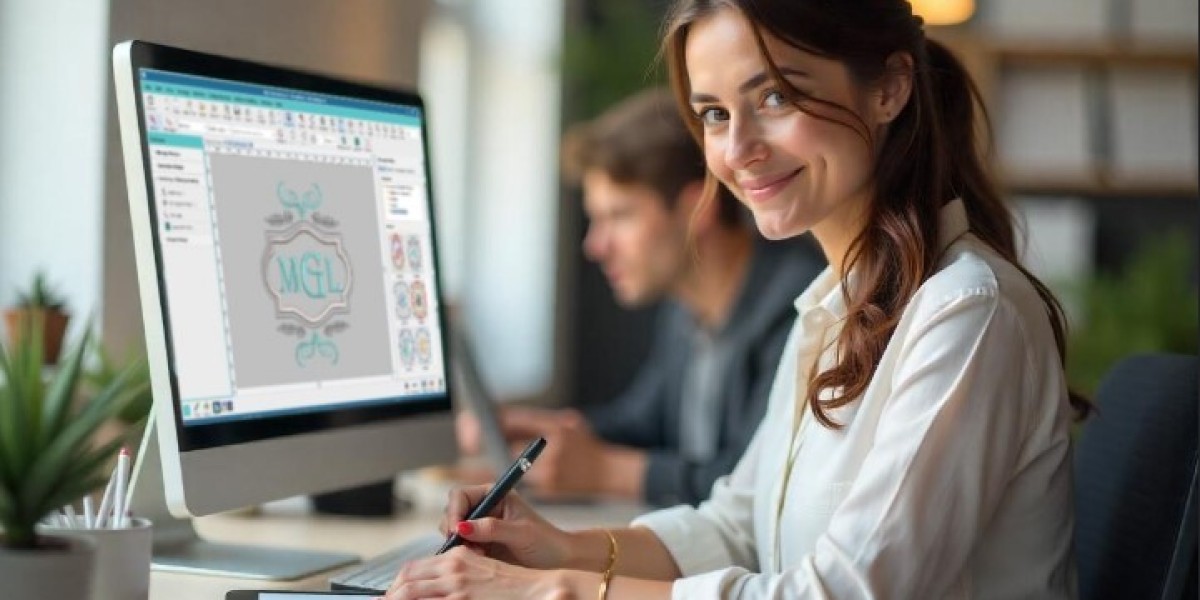
If you digitize yourself, invest in good software and take time to learn the craft. Practice on simple designs first. Join embroidery communities where you can get feedback. Over time, you will develop the skills to create bespoke patterns for your own projects.
Conclusion
Bespoke embroidery patterns enhance machine stitching projects in ways stock designs simply cannot. They stitch cleaner, fit better, and represent your brand more accurately. They save time and money over the long run by reducing waste and rework. And they give you something that is truly yours.
Whether you are a business owner, a shop manager, or a hobbyist, investing in bespoke patterns is worth it. The difference shows in every stitch. Take the time to get your patterns right, and your machine stitching projects will look better than ever.
Frequently Asked Questions
What is a bespoke embroidery pattern?
A bespoke pattern is a design digitized specifically for your project. It accounts for your fabric, machine, thread colors, size, and placement instead of using a generic template.
How much does a bespoke embroidery pattern cost?
Pricing depends on complexity. Simple logos may cost a small flat fee. Detailed designs with many colors or special techniques cost more. Many digitizers charge per thousand stitches.
Can I use a bespoke pattern more than once?
Yes. Once the file is created, you can reuse it as many times as you like. This makes bespoke patterns cost effective for ongoing production.
What fabric works best with bespoke embroidery patterns?
Any fabric can work if the pattern is digitized for it. The digitizer adjusts stitch types, density, underlay, and stabilizer recommendations based on your fabric.
Do I need special software to create bespoke patterns?
Yes, digitizing software is required. Options range from beginner friendly to professional grade. Many people hire a digitizer instead of learning the software themselves.