


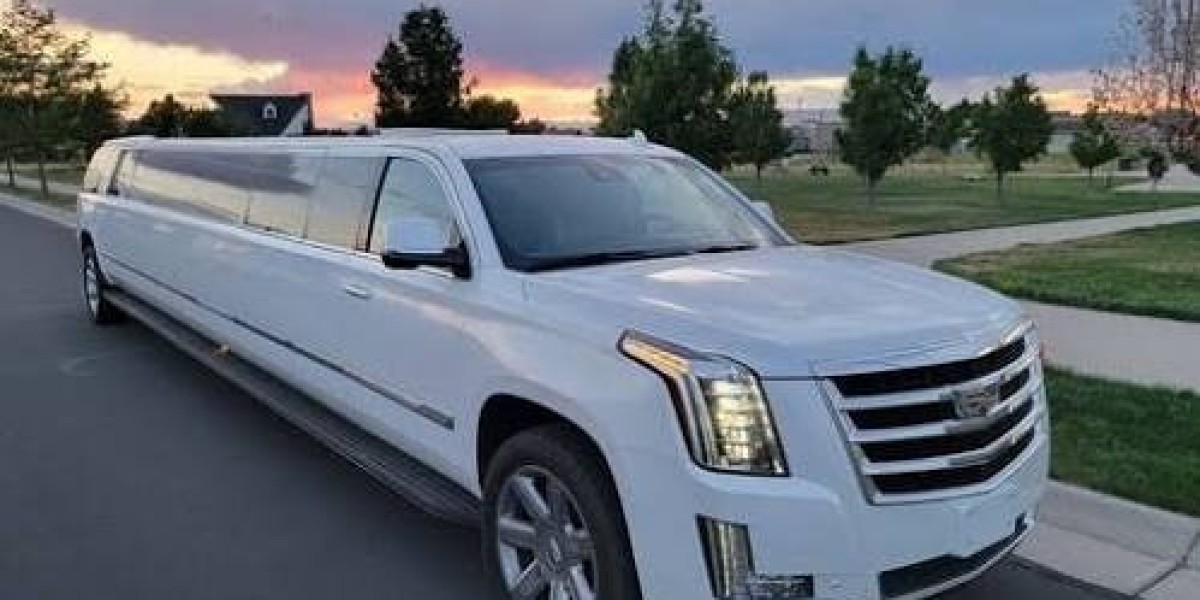
A business trip is rarely one simple journey. An executive may leave home before sunrise, travel to an airport, land in another city, attend a meeting, visit a second location, meet a client for dinner, and return to a hotel—all within a single day.
When the schedule becomes this complex, transportation is no longer a minor detail. It becomes part of the itinerary.
A Business Travel Chauffeur can provide a structured way to manage those transitions, allowing professionals to move between destinations without having to personally handle every driving and navigation decision.
Business Travel Starts Before the Meeting
A successful meeting depends on more than what happens inside the conference room.
If an executive spends the morning worrying about parking, unfamiliar roads, or finding the next destination, that mental distraction can follow them into the meeting.
A planned chauffeur journey creates a clearer transition between locations.
The passenger can leave the driving to someone else and use the journey according to the needs of the day.
Think of Transportation as a Moving Office
A vehicle can become more than a way to travel between appointments.
Depending on the circumstances, the journey may provide an opportunity to:
- Review meeting notes
- Check the day's schedule
- Respond to messages
- Make professional calls
- Prepare presentations
- Organize priorities
- Take a short break between appointments
This does not mean every minute needs to be productive. Sometimes the greatest value is simply having a quiet period between demanding meetings.
Multi-Stop Itineraries Need More Than Individual Rides
Corporate travel often involves several destinations.
For example:
Airport → Hotel → Client Office → Conference Center → Restaurant → Hotel
Arranging each journey separately can make the day unnecessarily complicated.
A chauffeur itinerary can instead be planned around the complete schedule, with each movement considered as part of the larger journey.
This approach is particularly useful when timing between appointments is important.
Airport Arrivals Can Set the Tone for the Trip
The first journey after landing can influence how smoothly the rest of the business trip develops.
After a flight, travelers may need to collect luggage, check messages, and adjust to a new schedule. Having prearranged transportation can remove one logistical task from that process.
When making an airport transfer reservation, passengers should provide accurate flight information and confirm how delays or schedule changes are handled.
Hosting a Client Requires Different Thinking
Transportation arranged for a client is not exactly the same as transportation arranged for yourself.
The guest may be unfamiliar with the area, the company schedule may be tight, and the transportation experience forms part of the overall visit.
Clear pickup instructions, appropriate vehicle selection, punctual coordination, and professional communication can make the itinerary easier for the guest to navigate.
The objective is not to create unnecessary extravagance. It is to eliminate avoidable friction.
Privacy Can Be Important During Corporate Journeys
Business conversations sometimes continue outside the office.
Executives may need to discuss schedules, prepare for negotiations, review sensitive information, or communicate with colleagues while traveling.
A private vehicle can provide a more controlled environment than a crowded public setting.
Passengers should still follow their company's confidentiality and security requirements, particularly when discussing sensitive business information.
The Right Vehicle Depends on the Assignment
Not every business trip requires the same type of vehicle.
A solo executive traveling between meetings may prioritize a quiet, comfortable interior. A small team may need additional seating. A client visit may require a vehicle suitable for hosting a guest.
If passengers are carrying presentation materials, luggage, equipment, or other business items, storage capacity should also be considered.
The vehicle should support the assignment rather than simply look impressive.
When Time Matters More Than Distance
Two destinations may be relatively close geographically but still difficult to connect within a busy schedule.
Traffic, road conditions, parking, and unexpected delays can consume valuable time.
For this reason, corporate transportation planning should focus on time management, not simply mileage.
A well-planned schedule includes reasonable buffers so that a minor delay does not automatically disrupt the next appointment.
Business Travel Is Full of Transition Periods
Consider the gaps between meetings.
These periods may appear insignificant, but across a full business day they can add up to a substantial amount of time.
A chauffeur journey can create a predictable transition between locations, giving travelers an opportunity to change focus from one responsibility to the next.
Sometimes that means working. Sometimes it means preparing. And sometimes it means simply taking a few minutes to reset.
Corporate Events Require Coordinated Movement
Conferences, exhibitions, corporate dinners, and industry events can involve several transportation requirements at once.
Executives may arrive at different times, clients may need individual transfers, and teams may need transportation between hotels and venues.
A centralized transportation plan can help organizers keep track of these movements instead of leaving every participant to arrange transportation independently.
Early Departures and Late Arrivals
Business schedules do not always follow ordinary working hours.
Executives may have early flights, evening dinners, late conferences, or international arrivals.
When transportation is required outside standard daytime hours, advance planning becomes especially important.
Confirm availability, pickup arrangements, and communication procedures before the journey begins.
What Happens When Plans Change?
Corporate schedules are rarely perfectly predictable.
A meeting can run longer than expected. A flight can be delayed. A client may request an additional stop.
Before booking, businesses should understand how itinerary changes are handled.
A transportation provider with clear procedures for schedule adjustments can make unexpected changes easier to manage.
Building a Corporate Transportation Routine
Companies with frequent business travel can save time by creating repeatable transportation procedures.
Instead of arranging every journey from scratch, a business can establish preferred providers, standard passenger information, billing arrangements, contact procedures, and common routes.
This can be particularly useful for organizations that regularly transport executives, clients, visiting employees, or event attendees.
What Should Businesses Consider Before Booking?
A professional transportation arrangement should fit the company's actual travel requirements.
Consider:
- Number of passengers
- Type and length of itinerary
- Airport requirements
- Number of stops
- Vehicle capacity
- Luggage or equipment
- Waiting requirements
- Schedule flexibility
- Billing arrangements
- Cancellation policies
These details provide a more useful basis for choosing a service than simply comparing advertised prices.
The Human Side of Business Travel
Corporate travel can be tiring.
Long flights, unfamiliar cities, back-to-back meetings, and constant communication can make even a short business trip demanding.
A well-managed transportation experience can provide a small amount of predictability within an otherwise unpredictable day.
That consistency can be valuable for both executives and the companies organizing their travel.
Beyond Luxury: The Practical Purpose of a Chauffeur
The word “chauffeur” is sometimes associated exclusively with luxury.
For business travel, however, the practical value can be much broader.
The service can be about schedule coordination, reducing driving responsibilities, handling unfamiliar routes, supporting airport transfers, and creating a smoother connection between appointments.
The best transportation arrangement is the one that solves the travel problem the business actually has.
Final Thoughts
A Business Travel Chauffeur can become an important part of a carefully organized corporate itinerary.
From airport arrivals and client transportation to multi-stop schedules and corporate events, professional driving support can help travelers move through a demanding business day with fewer logistical distractions.
The strongest approach is to plan transportation around the entire itinerary rather than treating each journey as an isolated ride.
When travel is organized as part of the business plan, the road between meetings becomes more than empty time—it becomes another opportunity to prepare, reset, communicate, or simply arrive ready for what comes next.