


The Licensed Sports Merchandise Market is developing alongside significant changes in retail, sports consumption, and consumer behavior. Merchandise has traditionally provided fans with physical products connected to teams, athletes, leagues, and sporting events. However, the modern market encompasses a much wider range of products and purchasing experiences. Consumers can encounter sports merchandise through physical stores, online marketplaces, social media, sporting venues, brand collaborations, and digital communities.
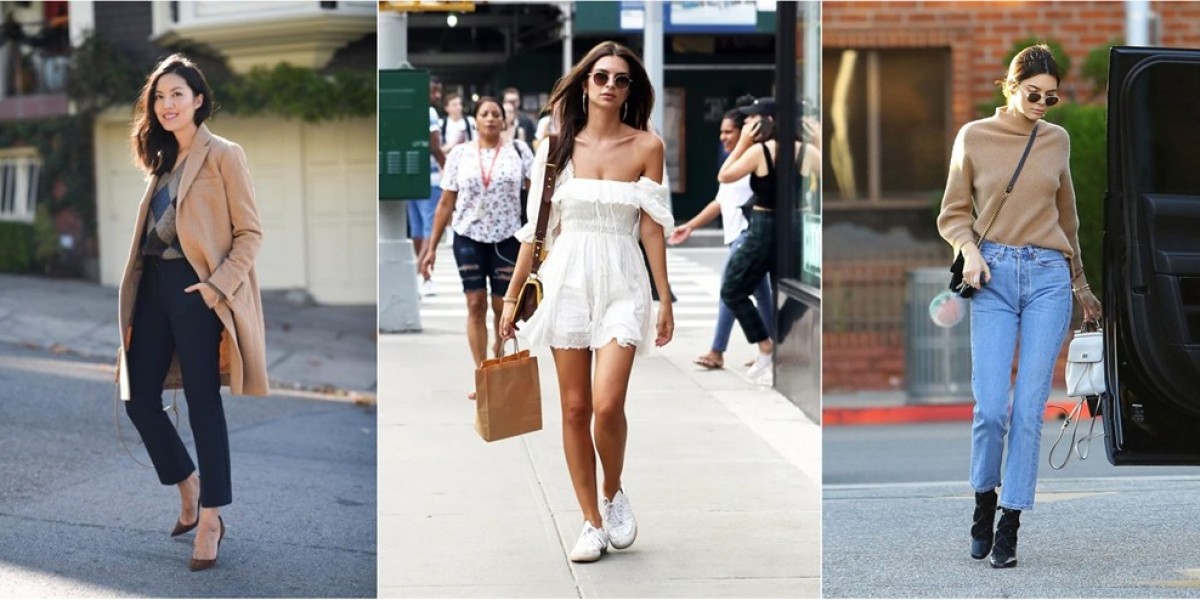
One significant category is licensed sports apparel, which includes officially authorized clothing connected with sports properties. Apparel can include jerseys, shirts, hoodies, jackets, caps, and other wearable products. Its role has expanded because sports clothing can function both as fan merchandise and as casual lifestyle apparel. Consumers may purchase such products because of team loyalty, visual design, athlete associations, or the cultural influence of sports.
The development of omnichannel retail is changing the relationship between fans and merchandise. Consumers may discover a product through social media, examine it through an online store, and later purchase it through a physical location. Alternatively, a consumer may see merchandise at a stadium and subsequently search for related products online. These interconnected experiences provide retailers and licensing partners with multiple opportunities to engage consumers.
Physical retail nevertheless remains relevant because sports merchandise is often associated with visual and emotional experiences. Specialty stores, team outlets, stadium shops, and other retail environments allow consumers to examine products directly. The atmosphere surrounding a sports venue can also strengthen the emotional appeal of merchandise. Buying a jersey or souvenir near the location of a sporting event can become part of the overall fan experience.
Online retail introduces different advantages. Digital stores can present extensive product ranges without requiring large physical displays. Consumers can compare styles, sizes, designs, and categories at their convenience. Online platforms can also support merchandise sales to fans who live far from the location of their preferred teams. This is particularly relevant when sporting organizations have audiences distributed across multiple regions.
Product customization is another emerging retail consideration. Consumers increasingly appreciate the ability to make products feel personal. Customized names, numbers, graphics, colors, or other design elements can transform standardized merchandise into a more individualized product. Personalization may be particularly relevant for jerseys, gifts, accessories, and commemorative merchandise.
Collaborations are also helping broaden the visual language of sports products. Sports organizations and licensing partners can work with fashion, entertainment, lifestyle, or creative brands to develop merchandise with a different aesthetic. Such collaborations can attract consumers who may not traditionally purchase standard fan apparel. They can also introduce sports identities into new cultural and design environments.
Another important development is the growing relevance of storytelling. Merchandise can become more meaningful when it is connected with a recognizable event, athlete, team history, community initiative, or memorable sporting moment. Rather than treating a product simply as an item for sale, licensing programs can use narratives to strengthen its connection with fans.
Sustainability is likely to remain an important consideration in merchandise development. Clothing and accessories involve questions about materials, manufacturing, packaging, durability, and product lifecycle. Consumers who are increasingly attentive to environmental issues may consider these characteristics when choosing between products. This can encourage businesses to explore more responsible approaches to product development and retail.
Counterfeit merchandise remains another consideration for the industry. Unauthorized products can imitate team logos, athlete names, colors, and other protected identities. This creates challenges for legitimate licensing relationships and can make authentication increasingly important. Retailers and rights holders may therefore place greater emphasis on product verification, authorized distribution, and consumer awareness.
The future direction of the Licensed Sports Merchandise Market will be influenced by how effectively businesses respond to these changing expectations. Sports fandom remains the foundation, but modern merchandise is increasingly connected with fashion, technology, digital commerce, personalization, sustainability, and cultural trends. As consumers continue to engage with sports across different environments, licensed merchandise can evolve from conventional fan products into broader lifestyle-oriented goods.
FAQs
- What products are commonly included in licensed sports merchandise?
Licensed sports merchandise can include apparel, footwear, headwear, accessories, collectibles, toys, games, bags, home-related products, and other items featuring officially authorized sports identities.
2. How is online retail affecting licensed sports merchandise?
Online retail makes merchandise easier to discover and purchase across geographic boundaries. It also provides consumers with broader product selections and convenient ways to compare and purchase sports-related products.