


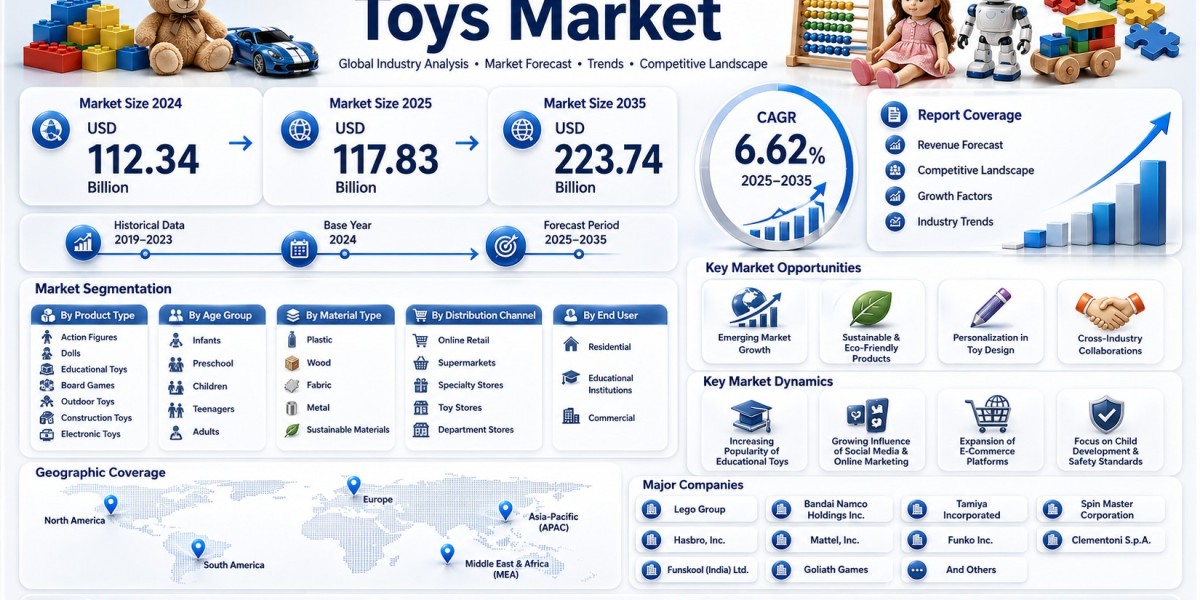
The Toys Market is undergoing a significant transformation in its distribution landscape, fueled by the explosive growth of e-commerce. As per Market Research Future, online retail is not just a channel but a primary driver of market expansion, rapidly emerging as the fastest-growing distribution segment. This digital shift is fundamentally changing how consumers discover, research, and purchase toys, creating new opportunities for brands and retailers alike.
The rise of e-commerce has fundamentally improved consumer access to a vast universe of toys. Online platforms offer an unparalleled selection, from mainstream classics to niche collectibles and educational products from around the world. For parents, the convenience of home delivery, easy price comparison, and access to thousands of customer reviews is a powerful draw. The ability to quickly research safety features, age-appropriateness, and educational value empowers consumers to make informed decisions. This ease of access is particularly appealing to tech-savvy parents, accelerating the shift away from traditional brick-and-mortar stores.
For the Toys Market, e-commerce has been a game-changer for both large and small players. It has broken down geographical barriers, allowing niche brands and specialized manufacturers to reach a global audience without the need for expensive retail partnerships. Direct-to-consumer models enable brands to build stronger relationships with their customers, control their brand narrative, and gather valuable data on consumer preferences. Furthermore, online platforms integrate seamlessly with social media and influencer marketing, which are crucial for generating buzz around new toy launches and creating viral trends.
The dominance of e-commerce is also reshaping the competitive landscape. While major retailers like Amazon, Walmart, and Target lead in online toy sales, specialized online stores and brand websites are also gaining significant traction. The Toys Market is seeing a strong investment in digital marketing, user-friendly websites, and efficient logistics to capture the growing online consumer base. As per Market Research Future, this trend will only intensify, with e-commerce expected to account for an increasing share of total toy sales. The future of toy retail is undoubtedly omnichannel, but the convenience and reach of online platforms are set to be the primary engine of growth for the foreseeable future.
FAQ's
- Why is e-commerce becoming the fastest-growing distribution channel in the Toys Market?
E-commerce offers unparalleled convenience, a wider product selection, and the ability for consumers to easily research, compare prices, and read reviews. This is particularly appealing to tech-savvy parents seeking informed purchases. - How does e-commerce benefit smaller toy brands and manufacturers?
E-commerce allows smaller brands to reach a global audience without the high costs of traditional retail. They can sell directly to consumers, build brand loyalty, and leverage social media for marketing, bypassing barriers to entry in physical stores.